
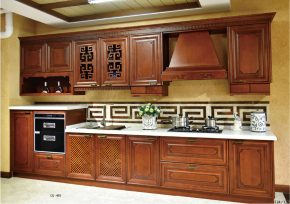
How to Select the Right Hardware for Your Wooden Wall Cabinet
Understanding the Importance of Cabinet Hardware
Choosing the right hardware is crucial for any wooden wall cabinet. Not only does it affect functionality, but it also enhances the aesthetic appeal of your space. The **hardware** you select plays a significant role in the overall look and feel of your cabinetry.
The Different Types of Hardware for Wooden Wall Cabinets
When it comes to wooden wall cabinets, various hardware types are available, each serving a unique purpose. Understanding these types will help you make an informed decision.
1. Cabinet Knobs and Pulls
**Cabinet knobs** and **pulls** are often the centerpiece of closet and cabinet design. They come in various styles, materials, and finishes. Here are some popular options:
– **Material Choices**: Stainless steel, brass, ceramic, and plastic.
– **Style Options**: Contemporary, traditional, rustic, and minimalist.
Choosing the correct style can enhance the design theme of your kitchen or storage area. For instance, a vintage brass knob can complement a farmhouse-style cabinet beautifully.
2. Hinges
Hinges are essential for the functionality of your cabinet doors. When selecting hinges, consider the following factors:
– **Type of Hinge**: Concealed hinges provide a clean look, while exposed hinges can add character.
– **Material**: Stainless steel and brass are popular due to their durability and resistance to corrosion.
– **Weight Capacity**: Ensure that the hinges you choose can support the weight of your cabinet doors.
3. Drawer Slides
For wooden wall cabinets that include drawers, selecting the right **drawer slides** is crucial. They can greatly affect the drawer's ease of use. Here are the common options:
– **Side-Mounted Slides**: These are easy to install and can handle moderate weight.
– **Under-Mounted Slides**: Offering a cleaner look, these slides provide excellent stability and weight capacity.
– **Soft-Close Mechanisms**: These are ideal for a quiet, gentle closing action, preventing slamming.
4. Latches and Catches
Latches and catches are essential for keeping cabinet doors securely closed. They come in various styles and materials, including magnetic and traditional hooks. Consider your preference for convenience versus security when selecting these elements.
Choosing the Right Finish for Cabinet Hardware
The finish of your hardware can greatly influence the overall aesthetic of your wooden wall cabinet. Here are some popular choices:
1. Polished Brass
Polished brass offers a classic, timeless look. It's perfect for traditional and vintage-inspired cabinetry.
2. Oil-Rubbed Bronze
This finish lends a rustic or industrial feel to your cabinets. It is known for its durability and resistance to tarnishing.
3. Matte Black
Matte black is a popular choice for modern and minimalist designs. It pairs well with various wood tones and colors, providing a sleek appearance.
4. Stainless Steel
Ideal for contemporary spaces, stainless steel is durable and easy to clean. It complements modern appliances and fixtures beautifully.
Understanding the Impact of Size
When selecting hardware, size matters. The proportions of your hardware should complement the scale of your cabinets. Large knobs on petite cabinets may look out of place, while tiny knobs on oversized cabinets can disappear.
1. Measuring for Knobs and Pulls
When determining the size for knobs and pulls:
– **Knob Diameter**: Typically, a diameter of 1-1.5 inches is suitable for most cabinets.
– **Pull Length**: The length should generally be 1/4 of the cabinet door height for a balanced look.
2. Selecting the Right Hinge Size
Hinges come in various sizes, typically ranging from 2 to 5 inches. The hinge size should correspond to the weight and size of your cabinet doors.
Coordinating Hardware with Your Cabinet Style
Your cabinet style should heavily influence your hardware choices. Here’s how you can match them seamlessly:
1. Traditional Cabinets
For traditional wooden cabinets, consider classic styles like ornate knobs and antique finishes. Brass hardware can add an elegant touch.
2. Modern Cabinets
Opt for sleek, minimalist pieces in matte black or polished chrome. Simple geometric shapes work well with contemporary cabinetry.
3. Rustic Cabinets
In rustic settings, consider using distressed or vintage hardware. Wooden knobs can enhance the natural, earthy feel.
4. Transitional Style
Transitional cabinets can mix elements of both traditional and modern styles. Choose hardware that strikes a balance between the two.
Budgeting for Cabinet Hardware
While selecting hardware, it’s essential to keep your budget in mind. High-quality hardware can be an investment, but it's crucial for the longevity and functionality of your cabinetry.
1. Quality vs. Cost
Investing in quality hardware can save you money in the long run by reducing the need for replacements. Aim for a balance between quality and affordability.
2. Bulk Buying
If you have multiple cabinets to outfit, consider bulk buying. Many suppliers offer discounts for larger orders, helping you stay within budget.
Installation Tips for Cabinet Hardware
Once you’ve selected the right hardware, proper installation is vital for functionality and aesthetics. Here are some tips:
1. Tools Needed for Installation
– Screwdriver
– Measuring Tape
– Level
– Drill (if required)
2. Marking the Positions
Before drilling, mark the positions for knobs, pulls, and hinges with a pencil. Use a level to ensure everything is aligned.
3. Ensuring Proper Alignment
When installing multiple hardware pieces, ensure they are evenly spaced and aligned. Use a template if necessary for consistent placement.
Maintenance Tips for Cabinet Hardware
Proper maintenance can prolong the life of your cabinet hardware. Here are some tips to keep them looking new:
1. Regular Cleaning
Dust and grime can accumulate on your hardware, so regular cleaning is essential. Use a soft cloth and mild soap solution to keep them shining.
2. Avoid Harsh Chemicals
Harsh chemicals can damage the finish of your hardware. Stick to gentle cleaning products to maintain the integrity of the surface.
3. Tightening Loose Hardware
Periodically check for loose screws and tighten them as needed to prevent hardware from becoming wobbly or detached.
Frequently Asked Questions (FAQs)
1. How do I choose the right size hardware for my cabinets?
Choosing the right size hardware involves considering the scale of your cabinets. Generally, knobs should be between 1-1.5 inches in diameter, and pulls should be proportionate to the cabinet door height.
2. What materials are best for cabinet hardware?
The best materials for cabinet hardware include stainless steel, brass, and ceramic. They are durable and resistant to wear and tear.
3. Can I mix different styles of hardware?
Yes, mixing hardware styles can create visual interest, but aim to maintain a cohesive theme throughout your cabinets.
4. How often should I replace my cabinet hardware?
You should inspect your cabinet hardware periodically. If you notice signs of wear, rust, or damage, it's time for a replacement.
5. What are soft-close hinges, and are they worth it?
Soft-close hinges allow cabinet doors to close gently and quietly. They are worth the investment, especially in busy kitchens, as they enhance convenience and prevent slamming.
Conclusion
Selecting the right hardware for your wooden wall cabinet is a crucial step that can elevate your home’s aesthetics and functionality. By understanding the various types of hardware, finishes, sizes, and installation techniques, you can make informed decisions that suit your style and budget. Invest time in choosing quality pieces, and don’t hesitate to mix and match styles to achieve the look you desire. With these insights, you’ll be well on your way to enhancing your cabinetry and enjoying the benefits of well-chosen hardware for years to come.