Transform Your Space: The Timeless Appeal of Modern Solid Wood Staircases
When it comes to home design, few elements have as profound an impact as a staircase. A well-crafted staircase not only serves as a functional part of your home but also acts as a focal point that enhances the overall aesthetic of your space. **Modern solid wood staircases** offer a unique blend of beauty, durability, and versatility, making them a popular choice for homeowners looking to transform their interiors. In this article, we delve into the many advantages of solid wood staircases, explore various design options, and provide tips for care and maintenance.
Table of Contents
1. Why Choose Solid Wood Staircases?
2. Understanding the Different Types of Wood
3. The Design Versatility of Solid Wood Staircases
4. Installation: Bringing Your Vision to Life
5. Maintenance Tips for Longevity
6. Cost Considerations: Is It Worth the Investment?
7. Solid Wood Staircases vs. Other Materials
8. Frequently Asked Questions
1. Why Choose Solid Wood Staircases?
Solid wood staircases are renowned for their **timeless appeal** and strength. Unlike their engineered counterparts, solid wood stairs are crafted from a single piece of lumber, which provides superior durability and structure. This choice of material not only enhances the **aesthetic value** of your home but also increases its overall worth.
Durability and Longevity
One of the primary benefits of solid wood is its durability. With proper care, solid wood staircases can last for decades, even centuries. They can withstand heavy foot traffic and resist wear better than many other materials. Additionally, wood has a natural resilience that allows it to adapt to various environmental conditions, making it a practical choice for any home.
Aesthetic Variety
Solid wood staircases come in a variety of finishes, colors, and styles, making them suitable for any home's interior design. Whether you prefer a rustic look or a sleek, modern finish, there's a solid wood option to complement your space.
2. Understanding the Different Types of Wood
Choosing the right species of wood is crucial when designing your staircase. Each type of wood has its own unique characteristics, including grain patterns, color, and hardness.
Hardwoods vs. Softwoods
Solid wood staircases are primarily made from hardwoods, such as oak, maple, and cherry, due to their strength and aesthetic appeal. Hardwoods are denser and more durable than softwoods, making them highly suitable for high-traffic areas. **Softwoods** like pine and cedar can also be used, but they are generally less durable and more prone to scratching and denting.
Color and Grain Variations
The natural beauty of wood lies in its unique grain patterns and colors. For instance, oak offers a classic look with its pronounced grain, while maple provides a smoother finish and lighter color. When selecting wood for your staircase, consider how the color and grain will work with your overall design theme.
3. The Design Versatility of Solid Wood Staircases
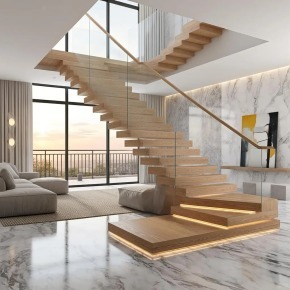
Modern solid wood staircases are not just functional; they are also design statements. They can be customized in various ways to fit the specific style of your home.
Spiral and Curved Designs
For those looking to add a unique twist to their interior, spiral and curved staircases can create an eye-catching focal point. These designs maximize space and add a sense of elegance and sophistication.
Open and Closed Risers
Open riser staircases lend a modern and airy feel to a space, allowing light to flow freely. In contrast, closed risers provide a more traditional look and can enhance privacy and security.
Integrated Lighting
Incorporating lighting into your staircase design can highlight the beauty of the wood and improve safety. Consider under-step lighting or wall sconces to create a warm ambiance and illuminate the steps.
4. Installation: Bringing Your Vision to Life
Installing a solid wood staircase can be a complex task that requires careful planning and professional expertise. It is essential to work with experienced contractors who can ensure safety and functionality.
Assessing Your Space
Before installation, assess the space where the staircase will be located. Consider factors such as height, width, and the surrounding decor. A well-planned staircase should flow seamlessly with the rest of your home.
Professional Installation vs. DIY
While DIY installation may seem tempting, working with a professional is often the best choice. Experts can navigate building codes, ensure structural integrity, and provide a high-quality finish that enhances the overall look of your staircase.
5. Maintenance Tips for Longevity
To keep your solid wood staircase looking its best, regular maintenance is essential. Here are some tips to prolong its life:
Regular Cleaning
Dust and dirt can accumulate on wooden surfaces, leading to scratches and dullness. Use a soft broom or vacuum without a beater bar to keep your staircase clean. Periodically wipe down the wood with a damp cloth and a gentle cleaner specifically designed for wood.
Refinishing and Sealing
Over time, the finish on your staircase may wear down. Refinishing every few years can restore its beauty and protect it from damage. Additionally, applying a sealant can provide an extra layer of protection against moisture and wear.
6. Cost Considerations: Is It Worth the Investment?
The cost of installing a solid wood staircase can vary significantly based on factors such as material choice, design complexity, and installation labor. While the initial investment may be higher than other materials, the long-term benefits often outweigh the costs.
Cost-Effective in the Long Run
Solid wood staircases tend to have a longer lifespan than other materials, making them a cost-effective option in the long run. Their durability reduces the need for frequent replacements or repairs, ultimately saving you money.
7. Solid Wood Staircases vs. Other Materials
When deciding on materials for your staircase, it’s essential to understand how solid wood stacks up against other options such as metal, glass, or laminate.
Metal Staircases
Metal staircases offer a modern industrial look but may lack the warmth and character that solid wood provides. They can be prone to rust and may require more maintenance than wood.
Glass Staircases
Glass staircases create a stunning visual effect and can make a space feel more open. However, they can be slippery and may not provide the same level of comfort or warmth as wood.
Laminate Staircases
Laminate stairs are a budget-friendly option; however, they do not offer the same quality and durability as solid wood. They can also be difficult to repair if damaged.
8. Frequently Asked Questions
What is the best type of wood for staircases?
Hardwoods such as oak, maple, and cherry are highly recommended due to their durability and aesthetic appeal.
How long do solid wood staircases last?
With proper care, solid wood staircases can last for decades, often outlasting other materials.
Can I install a solid wood staircase myself?
While DIY installation is possible, it is often best to hire a professional to ensure safety and quality.
What maintenance does a solid wood staircase require?
Regular cleaning, refinishing, and sealing are essential to maintain the beauty and longevity of a solid wood staircase.
Are solid wood staircases worth the investment?
Yes, solid wood staircases offer long-term value due to their durability and timeless appeal, often increasing the overall worth of your home.
Conclusion
Modern solid wood staircases are more than just a means to navigate between levels in your home; they are design elements that can completely transform your space. Their **timeless appeal**, versatility, and durability make them an excellent investment for any homeowner. With the right planning, installation, and maintenance, a solid wood staircase can enhance your home's beauty and value for years to come. Embrace the elegance and functionality of solid wood, and let your staircase become the centerpiece of your interior design.