How to Select the Perfect Modern Solid Wood Staircase for Your Interior
Choosing the right staircase is a crucial element in interior design that often gets overlooked. A modern solid wood staircase can serve as the focal point of your home, blending functionality with aesthetics seamlessly. In this comprehensive guide, we will explore everything you need to know about selecting the perfect modern solid wood staircase for your interior, from materials and styles to installation and maintenance.
Table of Contents
1. Understanding Different Types of Staircases
2. Benefits of Solid Wood Staircases
3. Choosing the Right Wood Type for Your Staircase
4. Modern Design Trends in Solid Wood Staircases
5. Essential Safety Features in Staircase Design
6. Staircase Finishes and Color Options
7. Installation Tips and Considerations
8. Maintenance and Care for Your Solid Wood Staircase
9. Frequently Asked Questions
10. Conclusion
Understanding Different Types of Staircases
When it comes to staircases, there are various types to consider. Understanding these options can help you make a more informed choice:
1. Straight Staircases
Straight staircases are the most common type, featuring a simple, linear design. They are easy to construct, making them a cost-effective choice for many homeowners.
2. L-Shaped and U-Shaped Staircases
These staircases include a landing that allows for a turn in direction. L-shaped and U-shaped designs are ideal for maximizing space and creating visual interest.
3. Spiral Staircases
Spiral staircases add a unique architectural element to your home. They are space-efficient and often serve as a striking design feature in compact areas.
4. Floating Staircases
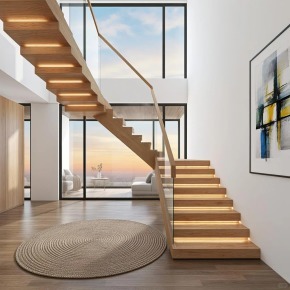
Floating staircases give the illusion of steps "floating" in mid-air, adding a sleek, modern touch to your interior. They are becoming increasingly popular in contemporary homes.
Benefits of Solid Wood Staircases
Solid wood staircases provide several advantages that make them a preferred choice for many homeowners:
Durability
Solid wood is known for its strength and durability, ensuring that your staircase will withstand the test of time. Unlike other materials, solid wood can be refinished multiple times, extending its lifespan.
Aesthetic Appeal
Wooden staircases bring a warm, inviting atmosphere to a space. The natural grain patterns and colors can complement various interior styles, from modern to rustic.
Increased Home Value
Investing in a solid wood staircase can enhance your property's value. A well-designed staircase can significantly elevate the overall appeal of your home when it comes time to sell.
Choosing the Right Wood Type for Your Staircase
Selecting the right wood type is crucial for achieving the desired look and durability of your staircase. Here are some popular wood options to consider:
1. Oak
Known for its strength and beautiful grain, oak is a popular choice for staircases. It offers a classic look and is available in various finishes.
2. Maple
Maple is a dense wood that is resistant to wear and tear. Its light color and subtle grain make it a great option for modern designs.
3. Cherry
Cherry wood adds warmth and richness to any interior. Its ability to darken over time enhances its aesthetic appeal.
4. Mahogany
Mahogany is a luxurious choice that exudes elegance. Its deep, reddish-brown hue can make a statement in any home.
Modern Design Trends in Solid Wood Staircases
Staircase design trends are constantly evolving. Here are some modern trends that can inspire your selection:
Minimalist Designs
Minimalism is gaining traction in home design. Clean lines and simple forms define this trend, making it an ideal choice for contemporary spaces.
Mixed Materials
Combining wood with materials like glass or metal creates a striking contrast that enhances visual interest. This trend can make your staircase a true focal point in your home.
Bold Colors
While natural wood finishes are timeless, bold paint colors are becoming popular for risers and railings. This trend allows homeowners to express their personality through their staircase design.
Essential Safety Features in Staircase Design
Safety should always be a top priority when designing or selecting a staircase. Here are some essential safety features to consider:
Handrails
Ensure your staircase includes sturdy handrails on both sides. They should be at a comfortable height and made of durable materials.
Non-Slip Treads
Adding non-slip treads to your staircase can significantly reduce the risk of slips and falls, especially in high-traffic areas.
Proper Lighting
Well-lit staircases are safer and more inviting. Consider incorporating integrated lighting or wall sconces to illuminate each step.
Staircase Finishes and Color Options
The finish you choose for your staircase can dramatically alter its appearance and feel. Here are some options to explore:
Natural Finish
A natural finish showcases the wood's inherent beauty and grain. This finish is especially popular for rustic and traditional designs.
Stained Finish
Staining allows you to change the wood's color while still highlighting its natural grain. Experiment with various shades to find the perfect match for your interior.
Painted Finish
Painting your staircase opens a world of color possibilities. Bright colors can add a playful touch, while muted tones can create a more sophisticated look.
Installation Tips and Considerations
Proper installation is crucial for the longevity and safety of your staircase. Here are some key tips to consider:
Hire Professionals
While DIY projects can be rewarding, hiring professionals for staircase installation ensures that the job is done correctly and safely.
Follow Local Building Codes
Familiarize yourself with local building codes to ensure your staircase meets safety regulations and standards.
Consider Your Space
Before installation, carefully assess the space available for your staircase. Ensure that it fits well within the surrounding architecture and design.
Maintenance and Care for Your Solid Wood Staircase
To keep your solid wood staircase looking its best, regular maintenance is essential:
Regular Cleaning
Dust and dirt can accumulate on your staircase over time. Use a soft broom or vacuum to keep it clean.
Refinishing
Depending on the foot traffic your staircase receives, refinishing may be needed every few years. This process can restore its original beauty and protect it from wear.
Inspect for Damage
Regularly inspect your staircase for signs of damage, such as loose railings or creaking steps. Addressing these issues promptly can prevent accidents.
Frequently Asked Questions
1. How much does a solid wood staircase cost?
The cost of a solid wood staircase can vary significantly based on materials, design, and installation complexity. On average, prices can range from a few thousand to over ten thousand dollars.
2. How long does it take to install a solid wood staircase?
Installation time can vary depending on the design and customization. Typically, a standard installation takes between 1 to 3 days.
3. Can I customize my stair design?
Yes, many manufacturers offer customization options for staircases, allowing you to choose materials, colors, and styles that fit your interior perfectly.
4. What kind of wood is best for high-traffic areas?
Hardwoods like oak and maple are excellent choices for high-traffic areas due to their durability and resistance to wear.
5. How can I make my staircase safer for children and pets?
Incorporate safety features such as sturdy handrails, non-slip treads, and secure gates at the top and bottom of the staircase to ensure safety for children and pets.
Conclusion
Selecting the perfect modern solid wood staircase for your interior involves careful consideration of various factors, including design, materials, safety features, and maintenance. By understanding your options and keeping current trends in mind, you can choose a staircase that not only enhances your home's aesthetic but also provides functionality and safety. Investing in a quality solid wood staircase is a decision that will elevate your living space for years to come.