
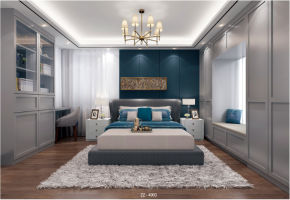
The oil-based finish applied to solid wood flooring largely preserves the natural character and grain of the wood, with a relatively simple color palette that can be broadly categorized into red tones and brown tones. ( Brown ) Color families, including yellow tones. Each color family is further divided into several distinct shades, allowing for seamless coordination with virtually all common furniture and popular decorative panels.
When coordinating the color scheme of solid wood flooring with furniture, there are three guiding principles:
1 It involves coordinating within the same color family. For example, if you’ve chosen furniture in a brown‑and‑white color scheme, you can pair it with teak or padauk flooring in similar shades. ; Opt for solid-wood furniture that mimics mahogany, and coordinate it with red-toned flooring made from pernambuco or balsamwood. This monochromatic pairing creates a décor style that is refined, orderly, and grand in scale.
2 It involves pairing colors from the same hue family. For example, if you’ve chosen furniture with black walnut veneer, you can complement it with brown flooring made from big‑fruit anadara, birch, or green‑stained mulberry. This kind of tonal coordination lends the interior a lively, harmonious, and refined aesthetic.
3 It involves pairing complementary color schemes. For example, when choosing antique-style furniture in deep reds, some contemporary homes opt for light yellow maple flooring. This flooring has a yellow hue with a slight whitish undertone, creating a striking yet harmonious contrast with the rich red furnishings. In principle, complementary color combinations should be used with caution; the color scheme must be guided by professional expertise or overseen by an expert, ensuring that it delivers both strong visual contrast and subtle, complementary harmony.