
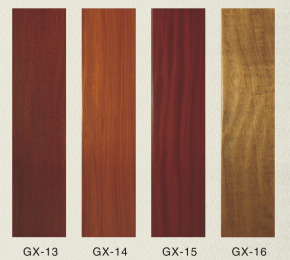
To prevent damage, avoid walking on solid wood floors in shoes with nails. Do not place rough, heavy, or particularly hard objects directly on the floor to avoid scratches; if such items are used, repair any damage promptly. When positioning heavy furniture, try to keep it on one side of the room to allow the opposite side of the floor to move freely and prevent buckling. Using protective pads or mats is also essential. During the humid plum‑rain season, it’s best to use a dehumidifier or an air conditioner’s dehumidification function to control indoor humidity. For damp floors—especially on the ground floor or in basements—be sure to install a waterproof underlayment before laying the wood flooring, and consider applying a waterproof coating to the boards prior to installation.
When mopping, avoid using a mop that’s still dripping or cleaning with soapy water, as both can directly damage the finish and wood panels—causing moisture‑induced mold, warping, and dulling of the sheen. If you must use a damp mop, be sure to wring it out thoroughly and let the cloth air‑dry first. 7 To prevent water from seeping into the floor and causing dampness and mold, take care to avoid spills. If water is accidentally spilled on a solid wood floor, promptly wipe it up with a soft, lint-free cloth and keep the surface dry to prevent warping, cracking, or rot. Fire safety: Do not discard unextinguished cigarette butts, matchsticks, or other smoldering items on a solid wood floor. Also, refrain from using gasoline or similar solvents to clean dust or grime, as friction may generate static electricity and potentially ignite a fire.
Sun protection prevents intense, prolonged sunlight from exposing the flooring, thereby avoiding premature aging and cracking of the finish under continuous UV exposure. Also, avoid directing hot or cold air from household appliances directly onto the floor or using such sources to bake it. During drier seasons, it’s best to increase indoor humidity; the simplest method is to place a bowl of water in a corner or use a humidifier to maintain adequate moisture in the air, preventing the wood from becoming too dry and cracking as it “breathes.” Keep the relative humidity at… 40% ~ 70% It is relatively suitable in between.
Do not use corrosive, stain‑resistant liquids or highly acidic and highly alkaline substances—such as toilet bowl cleaners or kitchen degreasers—to clean your flooring. Likewise, avoid placing hot liquids or objects directly on the wood surface to prevent damage to the finish. For common water‑soluble stains, first wipe away any loose debris, then dampen a soft, lint‑free cloth with strongly brewed tea and gently wipe the area. Never use cleaning agents whose chemical composition you are unsure of, as they may trigger unwanted reactions that could harm your floor. If you have pets, be sure to promptly clean up their waste, as it can cause alkaline corrosion, leading to discoloration and staining.