
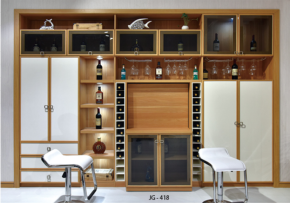
Solid wood furniture has become an essential element in modern homes, symbolizing exceptional quality of life, and it is increasingly favored by consumers. A well-crafted piece of solid wood furniture develops a consistent, natural woody aroma over time, growing more charming with age. Many buyers are aware of the environmental benefits of solid wood but often lack a clear understanding of how to select the right materials. So, which type of wood is best for solid wood furniture?
Classification of Solid Wood Furniture
Solid wood furniture: Solid wood furniture refers to 100% Solid wood, with the entire piece crafted from a single type of solid wood. Solid wood furniture refers to furniture in which all wooden components—excluding mirror brackets and trim—are made from sawn solid timber or solid wood panels, with a solid wood content of… 80%-95% Between. Panel‑wood combination furniture: In fact, the wood content of panel‑wood combination furniture may be as low as 60% to 80% Between.
So, which type of wood is best for solid‑wood furniture? In fact, the woods commonly used in the market are limited to a few varieties. When making your selection, you should base your decision on your specific needs—there’s no one “best” wood; instead, it’s important to weigh a range of factors.
Beech: It boasts a striking grain, with exceptionally hard wood and very high density, and it has few defects—practically no knots. In fact, beech furniture makers often forgo varnishing, opting instead to polish the surface and finish it with a clear tung oil to preserve its natural color and grain.
Pine: It has a pleasant pine fragrance, but its wood is quite soft, making it one of the more affordable options among solid‑wood furniture. High‑quality Finnish pine boasts attractive grain, a simple and unadorned aesthetic, and a clean, understated charm—perfect for children’s furniture.
Cherry wood: Burmese cherry is considered the finest. It features a uniform color, predominantly straight grain, and a fine, even texture. It’s a high‑end material for furniture, though its deep, reddish hue is a notable drawback—making it best suited for traditional Chinese‑style pieces rather than more contemporary or modern designs. Nevertheless, such furniture holds its value exceptionally well and is crafted to superb standards.