
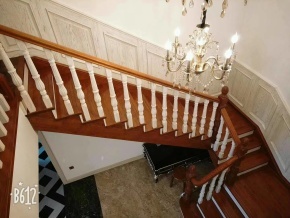
Effective tips for preventing moisture damage to solid‑wood stairs during the rainy season: In humid weather, place desiccants, charcoal, or moisture‑absorbing packets around the stairs and inside furniture to help absorb excess humidity. Wipe any surface condensation or dampness with a dry towel, then apply a thin coat of walnut oil to create a protective barrier against moisture. If your solid‑wood stairs or furniture become damp but the damage is minor, simply ventilate the area and allow it to air‑dry.
Humid weather leaves wooden stairs and furniture surfaces covered in condensation, which can easily cause localized discoloration of the wood finish. In cases of severe moisture exposure, mold may develop, and termites can even infest and damage the stairs; excessive moisture can also lead to warping and deformation of wooden stairs and furniture.
Pro tip: During humid weather, place desiccants, charcoal, or moisture‑absorbing packets around staircases and inside furniture to help absorb excess moisture. Wipe away surface droplets and condensation with a dry towel, then apply a thin coat of walnut oil to create a moisture‑repellent barrier. If solid‑wood stairs or furniture become damp but the damage is minor, simply ventilate them in the shade until they’re dry. Should you notice water pooling or mold spots, first blot up any standing water, gently clean the affected areas with a mild detergent, and then proceed with dehumidification.
A convenient way to prevent moisture buildup on indoor stairs is to periodically use a dehumidifier or turn on the air conditioner to remove excess humidity from the air. In summer, this technique can help keep indoor air from becoming overly damp, which could otherwise cause household items—especially wooden furniture and flooring—to absorb moisture.